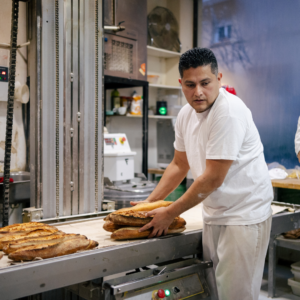
Innovative Food Manufacturing: Trends to Watch in 2025 and Beyond
From sustainable practices and AI-driven quality control to automation and personalized products, the future of food manufacturing is brimming with innovation.

From sustainable practices and AI-driven quality control to automation and personalized products, the future of food manufacturing is brimming with innovation.
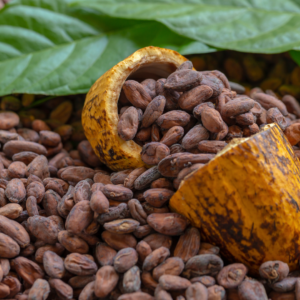
Fluctuating commodity prices and supply chain pressures are pushing food manufacturers to rethink how they manage recipes, balance costs, and maintain quality with smarter, data-driven approaches.
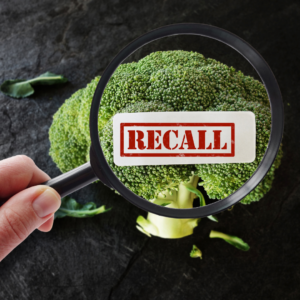
Recalls are a reality in food distribution, and lot control is key to managing them. With full product traceability and centralized data, businesses can respond quickly, ensure compliance, and maintain customer trust.

Rebates, bill-backs, and accruals are essential for driving deals and building strong customer relationships, but managing them often feels like a maze of data and processes. When spreadsheets and disconnected systems slow you down, it’s time to rethink how you work.
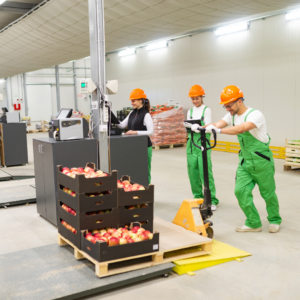
Inaccurate weight tracking in food distribution could be silently eating into your margins or frustrating your customers. Here’s why it’s happening—and how to fix it.

With Microsoft Dynamics GP reaching the end of support, food and beverage manufacturers need a modern, cloud-based solution. Business Central enhances integration, financial management, and compliance while improving efficiency and scalability.