
What’s really keeping food manufacturers up at night? Insights from the front lines

Discover the top challenges food manufacturers face in 2026, from AI adoption and compliance delays to rising costs and digital fatigue.
The Hidden Cost of Manual Compliance: Why Food Manufacturers Are Automating Audits

If you’ve ever prepared for a food safety audit, you know the drill: endless spreadsheets, scattered records, and a frantic race against the clock. Compliance is essential in food manufacturing, yet many companies still use outdated methods to manage it. What are the true expenses of sticking with traditional methods, and what makes top food […]
The Connected Kitchen: Why Integration Is the Secret Ingredient to Growth
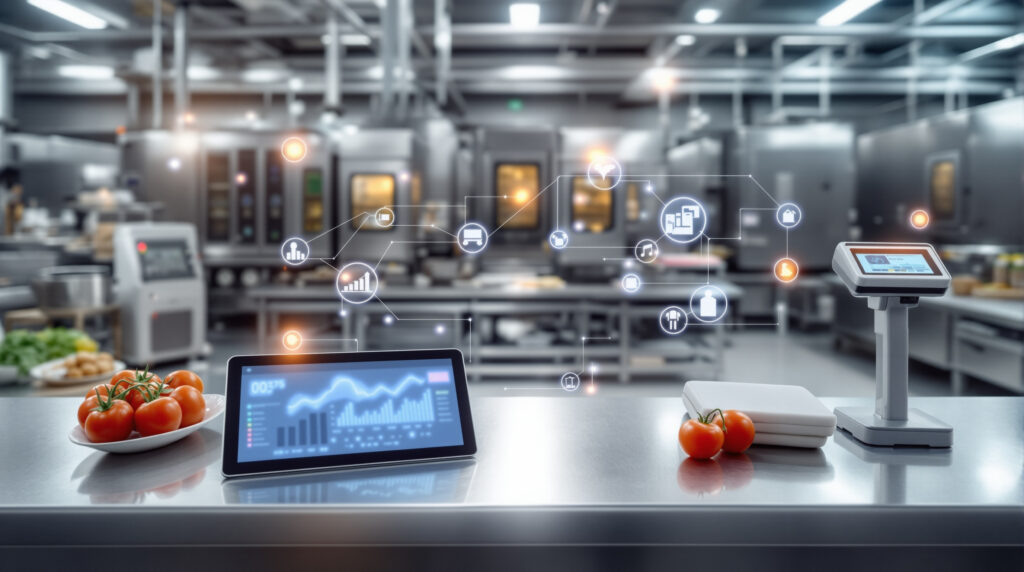
Disconnected systems create bottlenecks that cost time, money, and trust. In food and beverage, where compliance and agility are non-negotiable, integration is the game-changer. Connecting ERP, QA, CRM, and supply chain tools turns complexity into control, and positions your business to scale with confidence.
Clean Data, Clean Operations: Why Data Hygiene Is a Competitive Advantage for Food Manufacturers

Bad data doesn’t just slow you down. From missed shipments to failed audits, the ripple effects of poor data hygiene show up everywhere. Getting it right starts with building a clean, reliable foundation.
Streamlining Food Manufacturing Warehouses with Business Central

Food manufacturers using Business Central can unlock serious efficiency, automating expiry tracking, lot control, and multi-site inventory to reduce waste and stay compliant.
Why Food Distributors Need Smarter Delivery Planning in Business Central

Food distributors operate in a high-pressure environment where timing, accuracy, and efficiency are everything. Standard ERP systems often fall short when it comes to delivery logistics. To stay competitive, distributors need planning tools that are built for the road, not just the back office.
Add-ons for Food and Beverage Manufacturers: what to know before you install in Business Central

Thinking about add-ons for Business Central? For food and beverage manufacturers, the right extension can boost operations, but the wrong one can lead to compliance issues, traceability gaps, and costly downtime. Here’s what to know before you install.
Is It time to move on from Dynamics NAV? What you need to know

Microsoft is phasing out support for Dynamics NAV, with key versions nearing end-of-life. Let’s discuss what that means for your ERP environment, the risks of staying on NAV, and the role of Business Central as Microsoft’s modern replacement.
Tariffs and North American Food Manufacturing: What Leaders Need to Know

Tariffs can drive up costs and disrupt supply chains – but they can also create openings for domestic producers. The key is being ready to adapt when change hits.
Navigating Regulatory Compliance: Why Food Industry Executives Need to Act Now
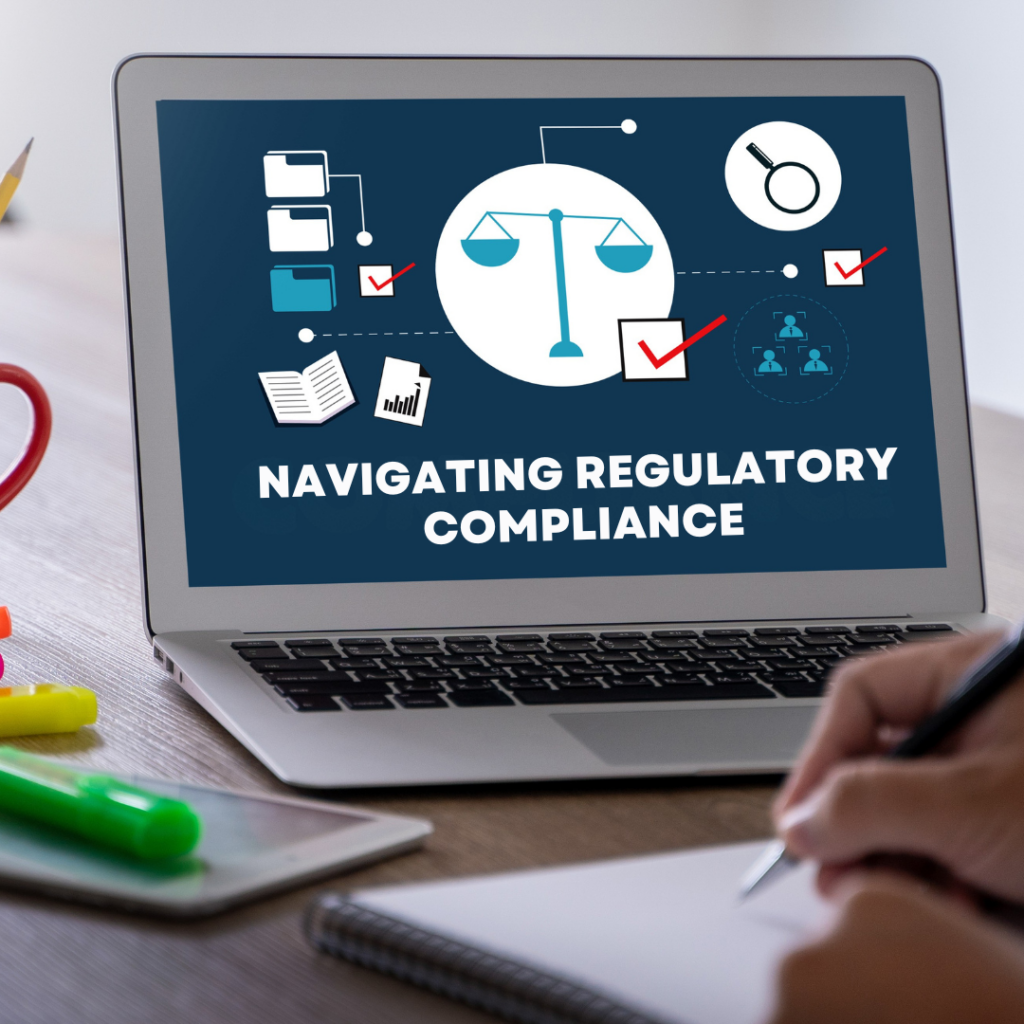
Despite the FDA’s recent announcement of a potential extension to the FSMA Section 204 compliance deadline, the need for food industry executives to act immediately remains critical. Early preparation is essential to manage the complexity of transitioning to mandatory digital traceability for high-risk foods, avoid operational disruptions, and gain competitive advantages through enhanced efficiency, customer trust, and proactive risk management.