One of the most common questions we hear from food manufacturers is this:
What’s more important when selecting a partner: cost, or knowledge and experience?
On paper, cost usually wins. Hourly rates are easy to compare. Proposals line up neatly in a spreadsheet. The lowest number feels like the safest decision.
In practice, it rarely works that way.
We’ve been told more than once that we’re the most expensive partner in the room. And yet, we continue to win the business, and more importantly, we deliver successful implementations.
That isn’t an accident.
Why “More Expensive” Often Means Less Risk
The reason we win has very little to do with price and everything to do with execution.
We get the project done.
We manage the process.
We do the due diligence upfront.
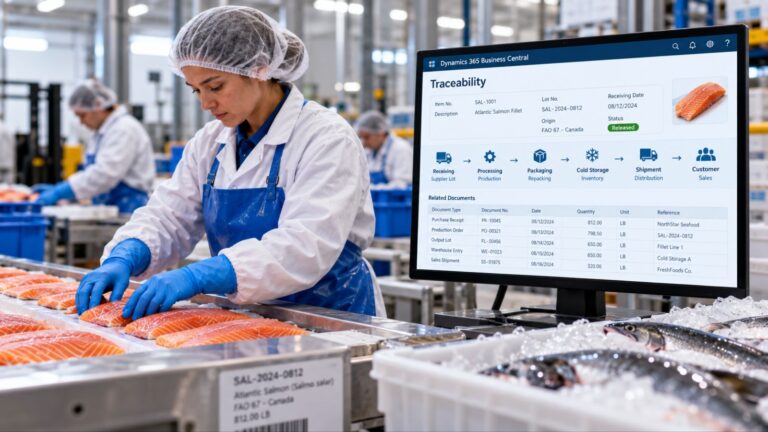
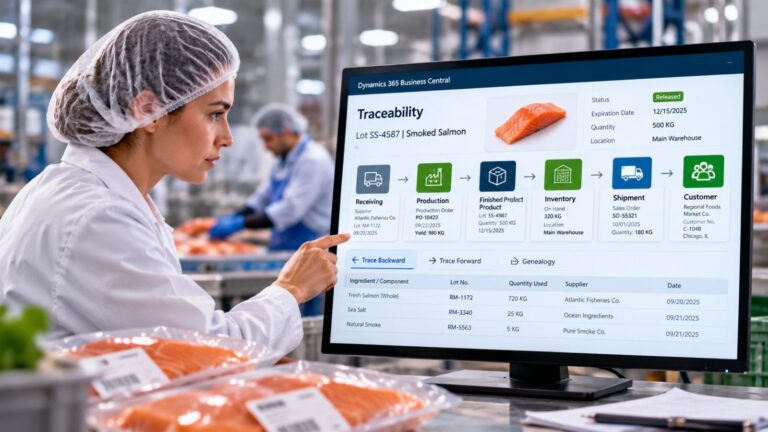
DynamicsFoodERP implementations are not theoretical exercises. They are messy, detailed, and deeply tied to how your business actually operates, from production and inventory to lot tracking, compliance, and finance. When a partner is learning on the job, the client pays for it in hours, delays, and rework.
That’s the part that doesn’t always show up in the proposal.
Fewer Hours Because We Know What We’re Doing
There’s a misconception that a lower hourly rate automatically means a lower total cost. In reality, it often costs the same — or more — because the work takes longer.
When you’ve done this work over and over again, you’re not fumbling. You’re not guessing. You’re not spending time figuring out how food manufacturing really works inside Business Central.
You already know.
That experience translates directly into fewer hours:
- Fewer false starts
- Fewer configuration mistakes
- Fewer “we’ll fix that later” workarounds
- Fewer surprises late in the project
When you add it up, the total project cost often comes out the same — or less! — even if the hourly rate is higher.
A Real Example: Cheap Isn’t Always Cheaper
Here’s a real-world example we’ve seen play out.
A client went live with an upgrade. We had a handshake agreement that our rate would increase at the end of the project. When that time came, they decided to explore a cheaper offshore option instead.
Then they ran into an issue.
The new consultant spent 30 hours trying to resolve it. The problem still wasn’t fixed. If we had been involved, it would have taken about two hours.
That’s the difference experience makes. Knowing exactly where to look, what matters, and what doesn’t. It gives us pattern recognition built over years of doing the same type of work in the same type of businesses.
Due Diligence Is Where Projects Are Won or Lost
Most ERP problems don’t start during go-live. They start much earlier, during scoping, discovery, and design.
This is where due diligence matters.
If a partner doesn’t fully understand your processes, your constraints, and your industry-specific requirements, the issues will surface later. Usually when timelines are tight and budgets are already stretched.
We spend the time upfront to get this right. That’s not always the cheapest approach at the beginning, but it’s the reason projects don’t spiral later.
The Real Question to Ask
“How many hours will this actually take, and why?”
So instead of asking, “What’s your hourly rate?” a better question is:
Experience shows up in the answer to that question. It shows up in:
how confident a partner is about the scope.
how few assumptions they make.
how well they manage the process end to end.
In DynamicsFoodERP projects, knowledge and experience are usually the difference between a system that technically works, and one that actually supports the business.
If you want the project scoped by people who’ve done this many times before, we can help.
Questions to Ask When Evaluating an ERP Implementation Partner
How much experience do you have with companies like ours?
Every ERP looks similar in demos, but real differences show up in industry complexity, operational scale, and regulatory requirements. Ask for concrete examples of projects similar in scope, not just general ERP experience.
How do you scope ERP projects to avoid cost overruns?
Many ERP challenges start with assumptions made during discovery. A strong partner can explain how requirements are validated, risks documented, and scope defined before work begins, rather than corrected later.
Who is responsible for managing the implementation end to end?
Clarify whether the vendor is actively managing timelines, dependencies, and decision‑making, or whether that responsibility sits with your internal team. ERP projects fail as often from poor management as they do from technical issues.
How do you estimate effort and project hours?
Hourly rates matter less than total effort. Ask how estimates are built, what they’re based on, and where experience reduces the number of hours required to get work done correctly the first time.
What happens when issues come up during or after go‑live?
Problems are inevitable in any ERP project. The real differentiator is how quickly a vendor can diagnose and resolve them. Ask for examples of issues they’ve handled and how long it took to fix them.
How do you handle scope changes once the project is underway?
Requirements often evolve once users are in the system. Understanding how changes are evaluated, priced, and prioritized helps prevent frustration and unplanned costs later.
Who will actually be doing the work on our project?
Find out whether your project will be handled by senior consultants with hands‑on experience or by less experienced resources learning as they go. This often has a direct impact on timelines and total cost.
How do you ensure the system aligns with how we operate day to day?
An ERP should support real workflows, not force teams into workarounds. Ask how the vendor validates that configurations reflect operational reality, not just functional checklists.