
UPC vs. SKU: What Food Manufacturers and Distributors Need to Know
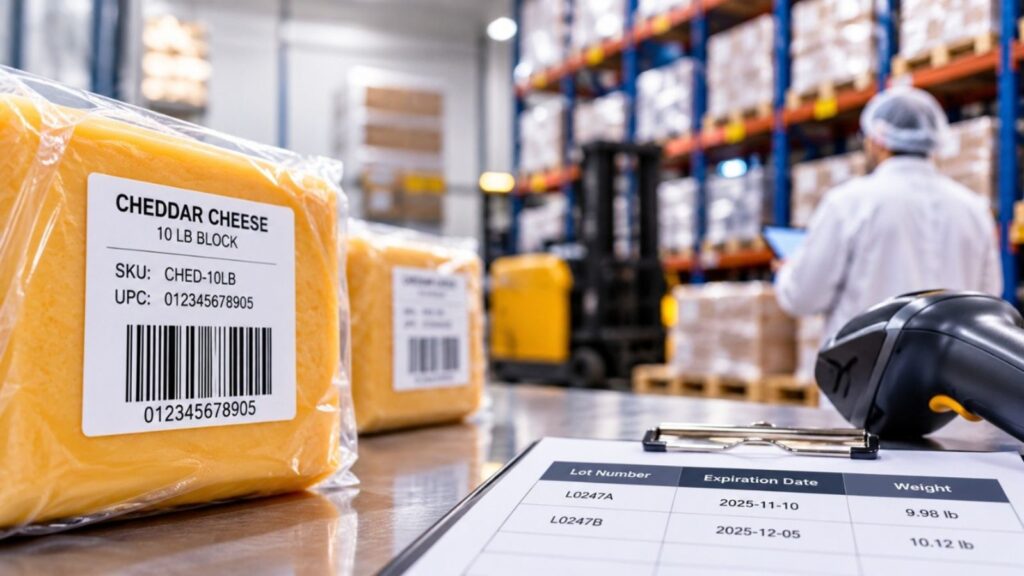
UPCs and SKUs identify products, but food manufacturers and distributors need more to manage perishable inventory. Learn how UPCs, SKUs, lot numbers, expiration dates, barcodes, and traceability work together from receiving through production, inventory, and shipment.
Food Safety Standards Comparison (USA, UK & Canada) 2026
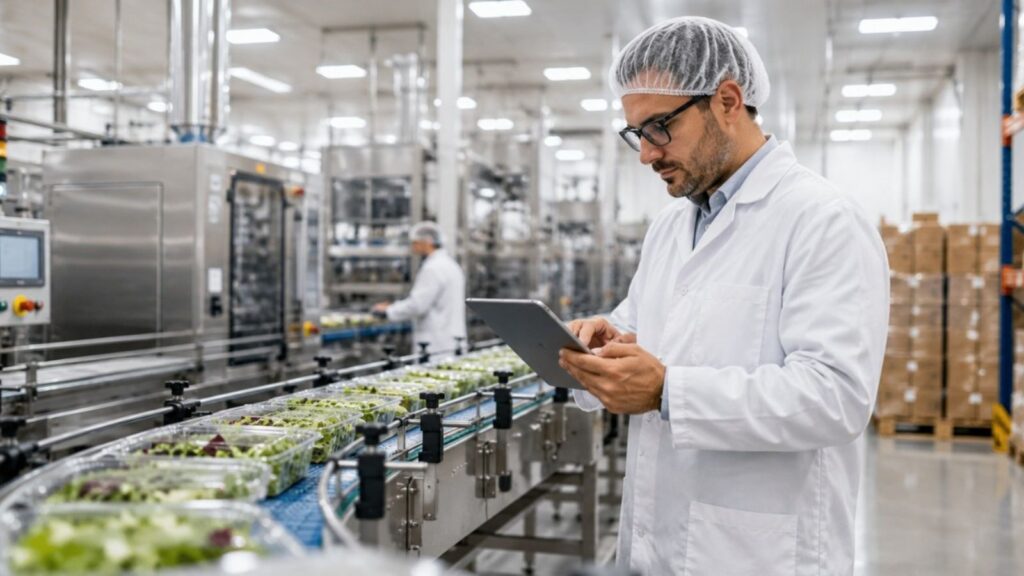
Compare food safety standards in the USA, UK, and Canada and see how FSMA, HACCP, SFCR, labeling, traceability, and recall requirements differ across each market. This 2026 guide highlights key compliance requirements and explains how food manufacturers and distributors can use integrated ERP technology to strengthen lot tracking, simplify audits, improve recall readiness, and support food manufacturing compliance across multiple jurisdictions.
Top 10 Food Distribution Companies in the U.S. for 2026
The U.S. food distribution industry is evolving rapidly as supply chain complexity, automation, and food safety regulations reshape the market. In this comprehensive 2026 guide, explore the top 10 food distribution companies in the United States, learn how they compare, discover the latest industry trends, and gain practical insights for food manufacturers looking to build successful distributor partnerships and improve operational performance with modern Food ERP technology.
Net Weight vs Gross Weight: Food Industry Guide (2026)
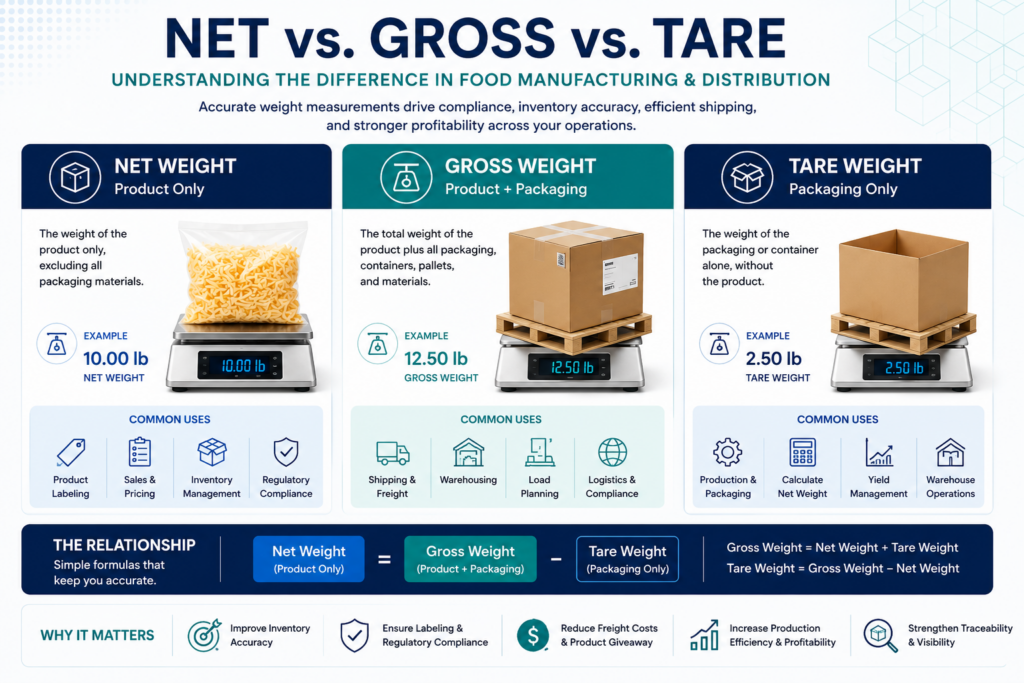
Understanding the difference between net weight, gross weight, and tare weight is essential for food manufacturers and distributors. This comprehensive guide explains what each measurement means, how to calculate them, where they’re used, and why they matter for food labeling, inventory accuracy, freight costs, regulatory compliance, and operational efficiency. Learn best practices for managing weight data and discover how modern ERP software helps streamline food manufacturing operations.
Cost vs. Experience: What Really Matters When Choosing an ERP Partner

The cheapest ERP partner on paper is rarely the cheapest in practice. Experience, due diligence, and getting it right the first time often matter far more than hourly rates.
ERP for the Ethical Plate: Supporting Sustainability in Food Manufacturing

Rising consumer expectations, retailer mandates, and regulatory pressure are forcing manufacturers to take a closer look at how food is produced, sourced, and delivered. At the same time, margins remain tight, making it essential that sustainability efforts also support operational efficiency. Globally, as much as 40% of food is lost or wasted before it’s eaten, […]
The Hidden Cost of Manual Compliance: Why Food Manufacturers Are Automating Audits

If you’ve ever prepared for a food safety audit, you know the drill: endless spreadsheets, scattered records, and a frantic race against the clock. Compliance is essential in food manufacturing, yet many companies still use outdated methods to manage it. What are the true expenses of sticking with traditional methods, and what makes top food […]
The Connected Kitchen: Why Integration Is the Secret Ingredient to Growth
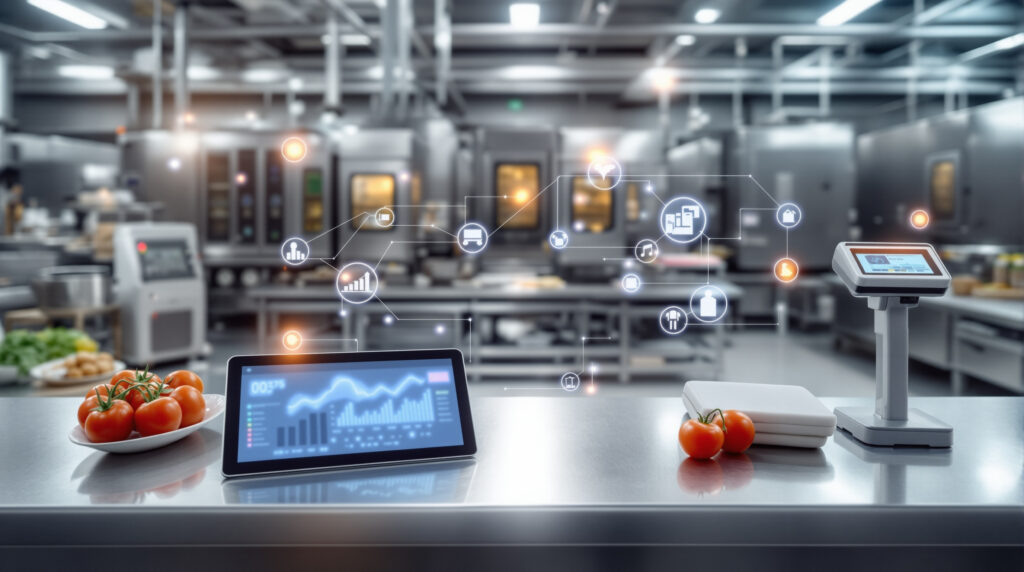
Disconnected systems create bottlenecks that cost time, money, and trust. In food and beverage, where compliance and agility are non-negotiable, integration is the game-changer. Connecting ERP, QA, CRM, and supply chain tools turns complexity into control, and positions your business to scale with confidence.
Clean Data, Clean Operations: Why Data Hygiene Is a Competitive Advantage for Food Manufacturers
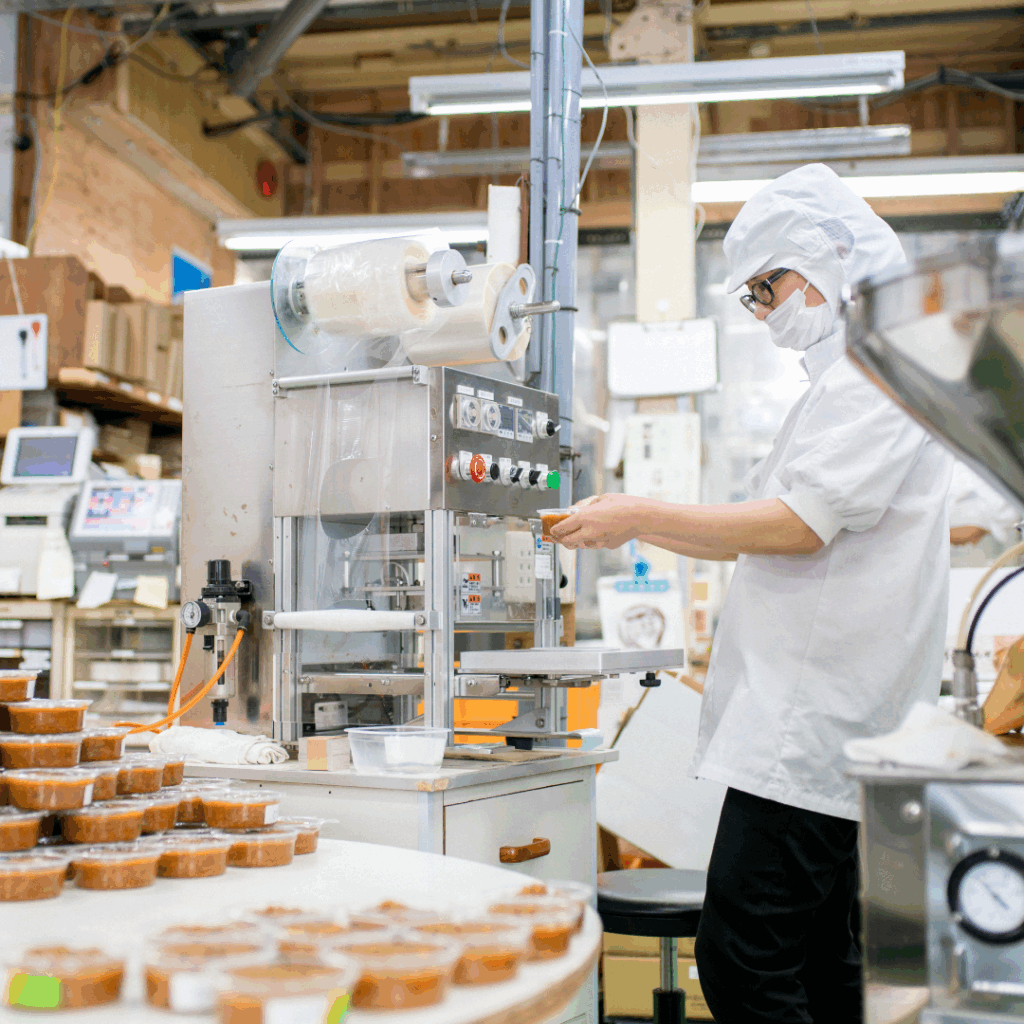
Bad data doesn’t just slow you down. From missed shipments to failed audits, the ripple effects of poor data hygiene show up everywhere. Getting it right starts with building a clean, reliable foundation.
Streamlining Food Manufacturing Warehouses with Business Central

Food manufacturers using Business Central can unlock serious efficiency, automating expiry tracking, lot control, and multi-site inventory to reduce waste and stay compliant.